


Pharmacy Residency Program
Meet the faculty and staff who shape this program.
Meet Our Faculty
Our faculty are practicing pharmacists who train alongside residents every day. They bring clinical expertise, teaching commitment and a shared investment in the mission that drives this program.

Christopher Pack, Pharm.D., MSHCA, BCPS
Program Director; Inpatient Pharmacy Manager
Pharmacy School: University of Oklahoma College of Pharmacy
PGY1 Residency: Claremore Indian Hospital
Rotations: Orientation, Infectious Disease, Inpatient Pharmacy, Research Project
Areas of Practice Interest: Acute and Critical Care Pharmacy; Pharmacy Leadership; Clinical Research

Jonathan Willett, Pharm.D., MSHCA, BCPS
Pharmacy Formulary and Data Analytics Manager
Pharmacy School: Southwestern Oklahoma State University College of Pharmacy
PGY1 Residency: Chickasaw Nation
Rotations: Leadership/Administration Longitudinal
Areas of Practice Interest: Drug Information; Health System Management; Pharmacoeconomics
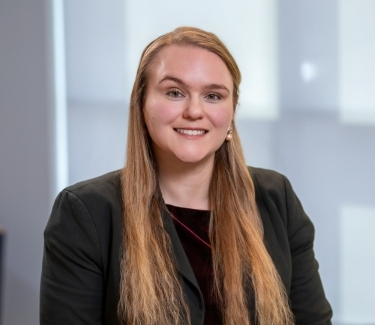
Emma Leffler, Pharm.D.
Clinical Outpatient Pharmacist
Pharmacy School: Southwestern Oklahoma State University College of Pharmacy
PGY1 Residency: Med-World Pharmacy (Community)
Rotations: Medication Distribution (Inpatient/Outpatient Staffing) Longitudinal
Areas of Practice Interest: Ambulatory Care; Counseling; Medication Safety; Teaching
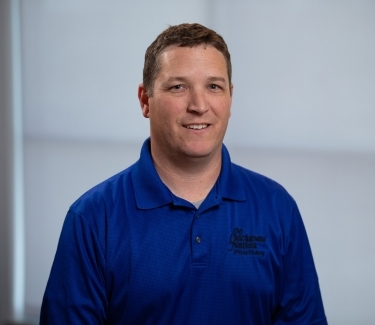
Andy Hinkle, Pharm.D.
Emergency Department Pharmacist
Pharmacy School: Southwestern Oklahoma State University College of Pharmacy
Rotations: Emergency Medicine
Areas of Practice Interest: Emergency Medicine
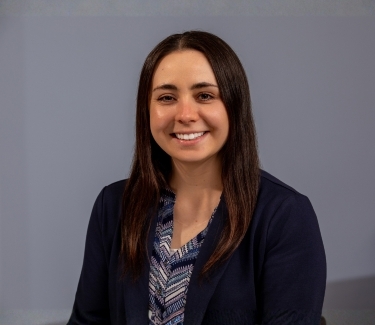
Sarah Johnston, Pharm.D., BCPS
Inpatient Pharmacy Clinical Coordinator
Pharmacy School: Southwestern Oklahoma State University College of Pharmacy
PGY1 Residency: Chickasaw Nation
Rotations: Infectious Disease, Inpatient Services
Areas of Practice Interest: Acute Care; Infectious Disease; Patient Education; Research
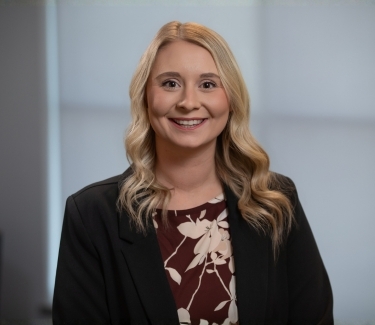
Kaylen Schier, Pharm.D.
Clinical Pharmacist Diabetes Educator
Pharmacy School: Southwestern Oklahoma State University College of Pharmacy
PGY1 Residency: Chickasaw Nation
Rotations: Diabetes Care Center
Areas of Practice Interest: Chronic Disease Management; Diabetes Care; Patient Education
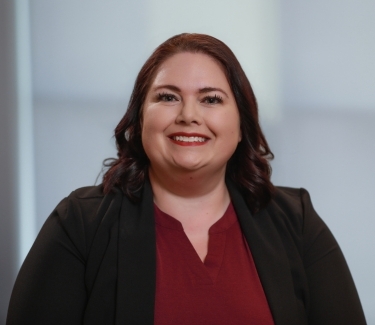
Kayla Carmichael, Pharm.D., BCACP, CDCES
Vaccine Coordinator
Pharmacy School: University of Oklahoma College of Pharmacy
Rotations: Integrated Care
Areas of Practice Interest: Chronic Disease Management; Patient Education; Pediatrics; Primary Care; Public Health; Specialty Clinic
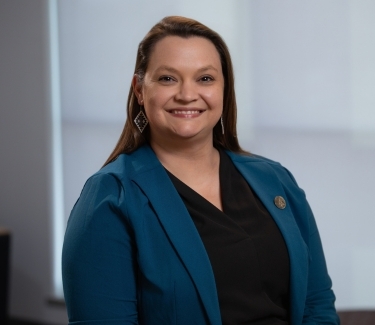
Haley Barrett, Pharm.D., MSHCA, BCACP, AE-C
Director, Clinical Pharmacy
Pharmacy School: University of Oklahoma College of Pharmacy
Rotations: Ambulatory Care, Medication Distribution (Inpatient/Outpatient Staffing) Longitudinal
Areas of Practice Interest: Ambulatory Care; Chronic Disease Management; Pharmacy Leadership; Substance Use Disorders
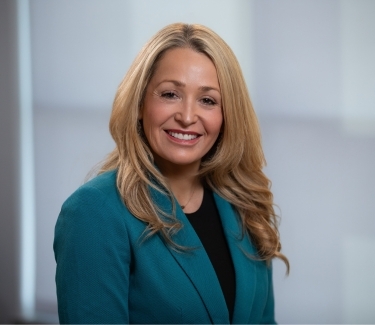
Beverly Cannon, Pharm.D., BCACP, CDCES
Purcell Clinical Outpatient Pharmacist
Pharmacy School: Southwestern Oklahoma State University College of Pharmacy
PGY1 Residency: Mission Hospitals, Asheville, North Carolina
Rotations: Medication Distribution (Inpatient/Outpatient Staffing) Longitudinal
Areas of Practice Interest: Ambulatory Care; CVD Prevention and Treatment; Diabetes; Geriatric Pharmacy
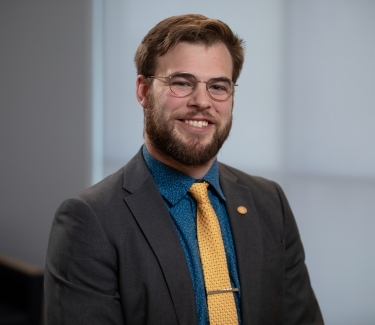
Chase Lott, Pharm.D.
Pediatric Clinical Pharmacist
Pharmacy School: Southwestern Oklahoma State University College of Pharmacy
Rotations: Outpatient Pediatrics
Chelsea Schoolfield, Pharm.D., MSHCA, BCPS
Family Medicine Residency Clinical Pharmacist
Pharmacy School: Texas A&M University
PGY1 Residency: Chickasaw Nation
Rotations: Family Medicine Residency Clinic
Areas of Practice Interest: Chronic Disease Management; Family Practice; Preventive Medicine; Teaching

Alison Cupp, Pharm.D., MBA-HCA, BC-ADM
Outpatient Pharmacy Ambulatory Clinic Manager
Pharmacy School: Southwestern Oklahoma State University College of Pharmacy
Rotations: Diabetes Care Center
Areas of Practice Interest: Ambulatory Care; Diabetes; Women's Health

Robin Heckes, Pharm.D., BCPS
Looapila' Clinical Pharmacy Specialist
Pharmacy School: Southwestern Oklahoma State University College of Pharmacy
PGY1 Residency: Chickasaw Nation
Rotations: Ambulatory Care
Areas of Practice Interest: Ambulatory Care; Chronic Disease Management; Substance Use Disorders

Elijah McPhail, Pharm.D.
Inpatient Pharmacist
Pharmacy School: University of Oklahoma College of Pharmacy
PGY1 Residency: Chickasaw Nation
Rotations: Infectious Disease, Inpatient Services
Areas of Practice Interest: Acute Care; Infectious Disease; Medication Safety; Research
Randy Steers, Pharm.D., MSHCA, BCPS
Director, Outpatient Pharmacy
Pharmacy School: Southwestern Oklahoma State University College of Pharmacy
PGY1 Residency: Choctaw Nation
Rotations: Medication Safety
Areas of Practice Interest: Acute Care; Medication Safety; Pharmacy Leadership
-
Rotation Schedules
Core Rotation Schedule (July)
Rotation, duration and preceptor:Residency Orientation – 5 weeks Christopher Pack, MSHCA, BCPS, AE-C Ambulatory Care – 12 weeks Robin Heckes, PharmD Diabetes Care Center – 6 weeks Kaylen Schier, PharmD Family Medical Residency – 6 weeks Alison Cupp, PharmD, BC-ADM Inpatient Services – 6 weeks Chelsea Schoolfield, PharmD, BCPS Infectious Disease – 6 weeks Elijah McPhail, PharmD Emergency Department – 6 weeks Sarah Johnston, PharmD Integrated Care – 4 weeks Kayla Carmichael, PharmD, BCACP, CDCES;
Chase Lott, PharmDLongitudinal Rotation Schedule (August 1)
Rotation:Project Management
Aug. 1 - June 30Christopher Pack, MSHCA, BCPS, AE-C Medication Distribution
Aug. 1 - May 31Emma Leffler, PharmD;
Beverly Cannon, PharmD, BCACP, CDCESPharmacy Leadership & Administration
Sept. 1 - May 31Jonathan Willett, PharmD, MBA, BCPS Medication Safety
Sept. 1 - May 31CDR Randy Steers, PharmD, MHA, BCPS -
Core Rotations
Residency Orientation
Residents will experience multiple orientation and onboarding processes from Chickasaw Nation Headquarters, CNMC Hospital and CNMC Pharmacy Department perspectives Residents will have opportunities to meet their residency preceptors, members of the Residency Advisory Committee (RAC) and representatives of the Chickasaw Nation Department of Health (CNDH) Administration teams. Residents will utilize this rotation to research, select and present a draft proposal outline for their year-long residency project. Residents are also encouraged to embrace opportunities to learn about Chickasaw history, tribal sovereignty, and the vast array of programs, services and outreach opportunities designed to serve patients of the CNDH system and Chickasaw citizens at large.
Integrated Care
Residents will gain exposure to the medication management of chronic health conditions in pediatric and adult patients within the Primary Care, Pediatric, and Specialty Clinic. Residents will learn the role of decentralized pharmacy practice – the culmination of clinical training put into practice in an interdisciplinary team setting. Activities may include, but are not limited to, direct patient care, medication management, patient counseling, provider education, and assessments for performance improvement. The focus is learning each distinct decentralized pharmacist's clinic with the goal of independently managing the practice area as the medication expert. The focus of this rotation is to orient further to the CNMC's electronic medical record while gaining confidence integrating into an interdisciplinary team and providing recommendations for optimized medication therapy. Interdisciplinary team members encountered within the various areas will include nursing, case managers, MSTs, advanced practice providers, and physicians working closely with each other to ensure high quality patient care.
Family Medical Residency Clinic
Ambulatory CareThis rotation is hosted in the Looapila' Clinic, located on the second floor of the Outpatient Pharmacy Building on the South Campus in Ada, OK. The Looapila' Clinic team is a multidisciplinary care team comprised of family practice providers, nursing staff, pharmacists, pharmacy technicians, and behavioral health staff members. Family practice providers lead care for patients' acute and chronic conditions, and support pharmacists with physical assessments and acute care needs as appropriate. Patients from the Chickasaw Nation Department of Health may be referred for specific disease state management to the pharmacy clinics from any internal provider. Per policy and protocol, pharmacists provide medication management for hypertension, hyperlipidemia, vitamin K antagonist treatment, and opioid use disorder. This care model allows for a holistic approach for patient well-being and requires high levels of team collaboration.
Diabetes Care Center (DCC)
The DCC consists of an endocrinologist, a diabetologist, multiple mid-level providers, a dietician, a medical family therapist, multiple Registered Nurse diabetes educators, nursing staff, case managers, and the clinical pharmacist. The DCC serves patients with Type 1 Diabetes Mellitus and Type 2 Diabetes Mellitus, patients with gestational diabetes as well as patients with various endocrine disorders. The providers and staff utilize many technological tools to improve the management of diabetes such as traditional glucometers, continuous glucose monitors (CGMs), as well as insulin pumps and other wearable technology.
Emergency Department
This rotation is designed to equip residents with the skills to thrive in a high-pressure, fast-moving clinical setting. Residents will gain hands-on experience in acute care pharmacotherapy, rapid response, and provide direct patient care through consultations with healthcare providers. The emergency department pharmacist and resident will also work side by side with nursing and family medicine residents in addition to the ED providers while in this dynamic environment. This Emergency Department has 26 patient rooms and 2 trauma bays that are staffed by board certified emergency medicine physicians and advanced practice providers. The annual patient census is approximately 45,000-60,000 per year. Disease states include common things such as diabetes and hypertension but will also expand to things such as rabies, trauma, anaphylaxis, shock, snake envenomation and many more.
Family Medicine Residency Clinic (FMRC)
This rotation will focus on the decentralized role of a pharmacist working with medical residents in a learning environment in the outpatient setting. Residents will experience a unique perspective of pharmacy practice that fills the role of educator for patients and physicians, and nurses alike. Clinical training in an outpatient setting will be practiced in a team-based setting. Activities may include, but are not limited to, direct patient care, medication management, patient counseling, provider education, performance improvement, process improvement, presenting in a didactic setting, observing procedures and osteopathic manipulations, and any other activities that may arise in the usual course of practice in this setting. Focus will be placed on physician education, design of educational materials, expanding clinical knowledge relevant to practice area, knowledge of processes, and serving as a clinical resource and aid for providers.
Inpatient Services
The resident will learn to deliver optimal medication therapy outcomes for patients with various disease states. The resident will utilize policies and protocols established by the Chickasaw Nation Department of Health to provide responsible, pharmaceutical care for patients in the Medical/Surgical, OB/GYN and ICU settings. The resident will attend daily morning rounds and provide drug information as needed to providers. Chart review and analysis of patient data will be required for proper patient medication management. The resident will execute functions involving antibiotics, pharmacokinetics, pain management, parenteral nutrition and anticoagulation. Patient medication reconciliation, referrals and discharge counseling will be performed daily.
Infectious Disease
The ID rotation will broaden the resident's understanding of infectious disease and the pharmacotherapy related to the treatment of such diseases. The resident will learn to pharmacokinetically dose the antibiotics utilizing protocols, AUC software, and monitor these antibiotics appropriately. Activities will also include the monitoring of patient lab parameters, cultures/sensitivities, responses and appropriateness. Pharmacy residents, medical students, and other health care professionals will also attend the interdisciplinary rounds with the teaching service.
-
Longitudinal Rotations
Medication Distribution
This rotation is designed to provide pharmacy residents with comprehensive exposure to the operational aspects of both inpatient and outpatient pharmacy services at CNMC. A key component of this rotation is the required staffing of two days per month, where residents will actively engage in the day-to-day functions of the pharmacy, gaining hands-on experience in medication distribution. The rotation focuses on developing competency and confidence in the execution of pharmacist tasks within both inpatient and outpatient settings. Additionally, residents will have the opportunity to build leadership skills by working closely with pharmacy clerks, pharmacy technicians, pharmacy interns, and pharmacists in both the outpatient and inpatient pharmacy settings preparing them for future supervisory roles.
CNMC's diverse pharmacy services include a 72-bed acute care medical center with a Level III Trauma Center Emergency Department, ambulatory care facility, specialty clinic facility, behavioral health facility, surgery center, primary care center, pediatrics clinic, residency medical clinic, diabetes care center, dental clinic, diagnostic imaging center and women's health center, as well as an expansive distribution system that fills on average 3,500 prescriptions daily and nearly 1.5 million prescriptions annually. Our services also expand to three outlying health clinics in Purcell, Ardmore, and Tishomingo. This environment provides an ideal setting for residents to learn the intricacies of medication distribution across different care settings, ensuring they are well-prepared to handle the demands of a pharmacy.
The pharmacy department provides patients with prescription services, medication reconciliation services, a medication take-back program for any unwanted medications, and medication therapy counseling on any prescription or over-the-counter product. Additional pharmacy services include medication-use policy development, optimizing medication therapy, drug product procurement, preparing and packaging medications, medication delivery, monitoring medication use, evaluating the effectiveness of the medication-use system, and research. Throughout the rotation, residents are expected to integrate into the pharmacy team, contributing to daily operations while also taking on leadership responsibilities.
Pharmacy Leadership and Management (PAL)
This rotation offers pharmacy residents a rare and invaluable opportunity to delve into the inner workings of pharmacy administration and leadership, gaining first-hand experience in the management and strategic oversight of a busy hospital pharmacy. Unlike other rotations focused solely on clinical or distributive functions, PAL is designed to provide residents with a comprehensive understanding of the administrative aspects of pharmacy practice. This includes exposure to policy development, system level medication management financial management, human resources, quality assurance, and strategic planning. Throughout the rotation, residents will observe and participate in the decision-making processes that guide the daily operations and long-term goals of the pharmacy department, preparing them for leadership roles in their future careers. Residents will work closely with pharmacy system key leaders, including the Undersecretary of Operations, the Executive Officer of Pharmacy, and the Pharmacy Directors of Hospital, Outpatient, Clinical, and Business Operations.
Project Management
This rotation focuses on the selection, development, and execution of the resident's year-long residency project, in accordance with the American Society of Health-System Pharmacists (ASHP) accreditation standards. It provides residents with the opportunity to engage in project management from a comprehensive perspective, gaining expertise in planning, implementing, and evaluating a significant project that impacts pharmacy practice. In contrast to clinical or administrative rotations, the Project Management longitudinal rotation emphasizes the development of essential project management skills, including timeline development, resource allocation, stakeholder engagement, and data analysis. Throughout the experience, residents will be actively involved in all stages of their project's lifecycle, from the initial planning phase to the final presentation and implementation of results. This rotation will prepare residents to handle complex projects and initiatives in any healthcare setting. Residents will work closely with a dedicated preceptor and a team of mentors who will provide guidance and support throughout the project's development. This rotation is intended to strengthen residents' leadership, communication, and organizational skills, all of which are critical for successfully managing and executing impactful pharmacy projects.
Medication Safety
This rotation provides pharmacy residents with a unique and invaluable opportunity to engage in the crucial area of medication safety, where they will gain in-depth knowledge of the systems and processes that ensure safe medication practices across the healthcare continuum. Unlike other rotations that focus primarily on clinical or administrative functions, the Medication Safety rotation is designed to immerse residents in the principles of medication safety, including risk assessment, error prevention, and system-based problem solving. Throughout the rotation, residents will observe, analyze, and contribute to the medication safety initiatives that protect patients from harm, preparing them to become leaders in this essential aspect of pharmacy practice.
-
Annual Stipend (2025-2026)
-
Comprehensive Benefits Package
-
Health, dental, vision, life and disability insurance
-
Dependent coverage options available
-
401(k) with 5% company match
-
-
Professional Development
Your growth extends beyond clinical rotations. We invest in your professional development through funded conference attendance and certification training.
Conference Attendance
Residents have the opportunity to attend regional and national meetings, including:
- American Society of Health-System Pharmacists (ASHP) Midyear Clinical Meeting
- Oklahoma Society of Health-System Pharmacists (OSHP) Annual Meeting
- Indian Health Service (IHS) Oklahoma City Area Annual Seminar
- Indian Health Service (IHS) Pharmacy Practice Training Program
Certification Opportunities
Residents receive training and certification in:
- Basic Life Support (BLS)
- Advanced Cardiac Life Support (ACLS)
- Pediatric Advanced Life Support (PALS)
-
Staffing Experience
Independent practice builds confidence.
Our structured staffing component prepares you for the responsibilities of your future career.
Residents gain hands-on experience through:
- One weekend per month
- Rotations in both outpatient and inpatient pharmacy roles, with assignments switching at the midpoint of the year
- One holiday serving as the sole pharmacist
This progressive responsibility develops clinical independence while preparing you for leadership in any practice setting.
-
Paid Leave
-
Paid time off and 13 paid federal holidays
Leave Accrual
-
Annual leave: 3.05 hours per pay period
- Sick leave: 3.42 hours per pay period
-
-
Primary Clinical Site
Chickasaw Nation Medical Center
1921 Stonecipher Blvd., Ada, Oklahoma 74820.
Phone: (580) 436-3980 -
Satellite Health Clinics
Ardmore Health Clinic
2510 Chickasaw Blvd.
Ardmore, Oklahoma 73401
Purcell Health Clinic
1438 Hardcastle Blvd.
Purcell, Oklahoma 73080
Tishomingo Health Clinic
817 E. 6th St.
Tishomingo, Oklahoma 73460
How to Apply
Take the next step in your pharmacy career. Apply through PhORCAS and complete a secondary application on Chickasaw.net/Careers for the Outpatient Pharmacy Resident position.
-
ASHP Match Code: 204413
American Society of Health-System Pharmacists (ASHP) Chickasaw Nation Medical Center Program – PGY1 Pharmacy Residency Program
ASHP Residency Match Code: 204413
-
Application through ASHP PhORCAS
-
Separate application on Chickasaw.net/Careers
Licensure: Successful candidates must obtain Oklahoma licensure within three months of starting the program. Licensure is not required to apply.
-
-
Application Requirements (PhORCAS Materials List)
Applications are accepted and reviewed through ASHP PhORCAS from September through January each year. Applications received after this date will be reviewed as interview space permits.
The following materials are required for a complete application:
Application Requirements
-
Application through ASHP PhORCAS
-
Separate application on Chickasaw.net/Careers
-
Letter of intent
-
Curriculum vitae
-
Three letters of recommendation
-
Pharmacy school transcripts
Licensure: Successful candidates must obtain Oklahoma licensure within three months of starting the program. Licensure is not required to apply.
-

